
For Annette Harmon, one of the hardest things is making sure people still see her husband Tom for who he has always been. Like many carers, Annette rarely stops to think about herself.
Before Parkinson’s disease and Lewy body dementia reshaped their lives, Tom was active, social and deeply engaged in his community. A hands-on father with a wide circle of friends, he loved cycling, public speaking and staying connected to people.
“He was very much involved,” Annette said. “He gave presentations at the Perth Convention Centre. He always said, ‘You focus on what you’ve still got, not what you’ve lost.’”
That philosophy carried the couple through the early years after Tom was diagnosed with Parkinson’s disease in 2014, followed by Lewy body dementia, a progressive brain disorder caused by abnormal protein clumps (Lewy bodies) that build up in brain cells.
At first, life remained manageable. Tom continued driving. He attended exercise groups four days a week. He remained socially connected and continued public speaking, becoming a passionate advocate within the dementia community.
But then the COVID-19 pandemic changed everything.
“The public speaking stopped. His exercise groups stopped,” Annette said. “And they never really restarted.”
Slowly, the world they had built together became smaller.
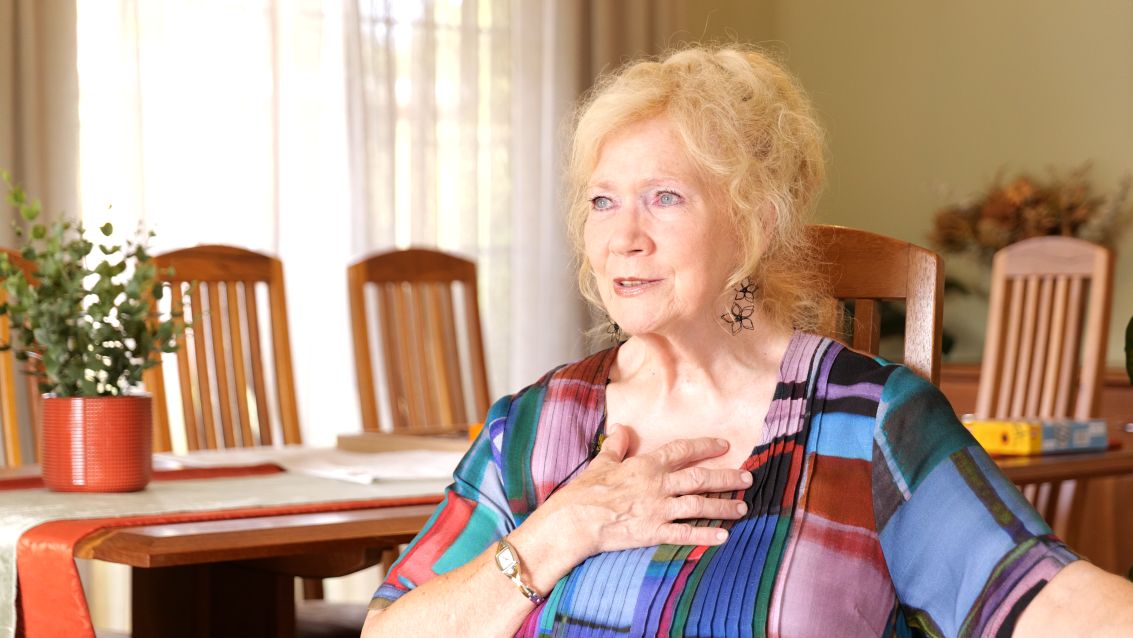
Since retiring as a psychologist in 2021 to care for Tom full-time, Annette’s days have become shaped around constant awareness, anticipating what Tom may need next. On more difficult days, she cannot leave him alone long enough to spend time in the garden.
Watch Annette's story below about her experience as a fulltime carer and why support for caregivers is so important.
According to the 2024 Carers Australia Wellbeing survey release, there are almost 2.65 million unpaid carers nationwide – roughly one in eight adult Australians. Many provide around-the-clock emotional and physical support to loved ones while navigating exhaustion, isolation and declining wellbeing from what the care community knows as ‘carer burnout.’
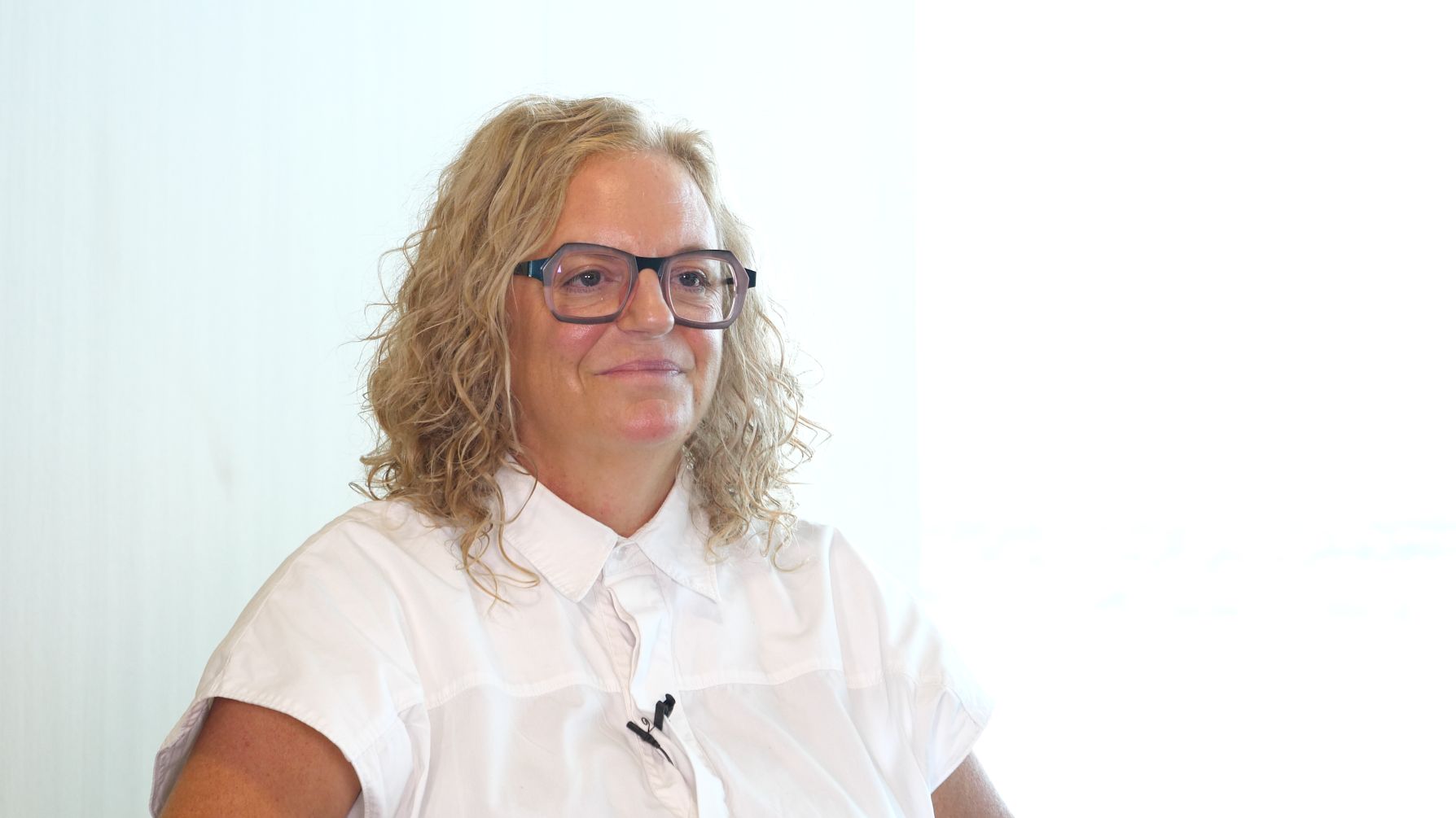
Silverchain’s National Director of Research and Evidence, Adjunct Professor Karen Smith OAM, knows this reality both professionally and personally.
When Karen cared for her mother during the final year of her life throughout the COVID-19 pandemic, she experienced firsthand the emotional toll caring can take.
“When I cared for my mum, it was a real privilege and it’s a time that I really treasure,” Karen said. “But caring shouldn’t come at a great personal cost.”
Research shows carers commonly experience significant emotional, physical and financial strain, often over many years. Without adequate support, that strain can quietly build into burnout.
When carers reach breaking point, the impacts extend far beyond the individual.
A carer experiencing burnout may struggle to notice important changes in the health or wellbeing of the person they care for, increasing the risk of distress, crisis and unplanned hospital admissions.
“Supporting carers isn’t optional – it’s essential,” Karen said.
“When carers are well supported, outcomes improve not only for them, but for the people they care for as well.”
Yet many carers feel guilty asking for help or taking even a short break.
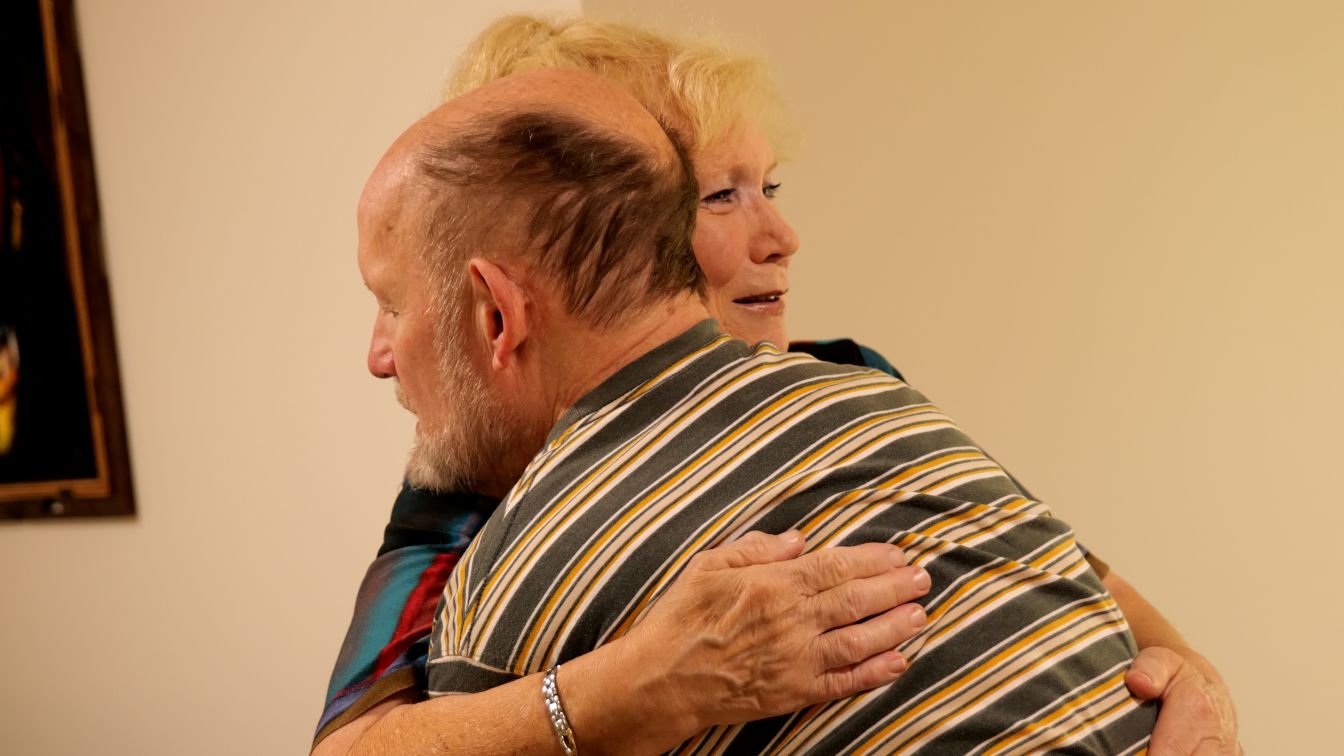
For Annette, the demands of caring exist alongside her own health challenges, including a chronic back condition. But like many carers, her focus remains firmly on Tom.
That quiet self-sacrifice is something Karen says society often fails to recognise until carers are already struggling.
“Burnout is not weakness,” she said. “It’s the result of prolonged caring demands without enough support around you.”
This is why Silverchain Foundation’s Caring for the Carers Appeal is so important.
Through donor support, Silverchain is funding research to better understand the long-term impacts of caring, identify carers most at risk earlier, and develop evidence-based ways to intervene before burnout escalates into crisis.
“Most existing research on carers is based on snapshots in time,” Karen said.
“There is still so much we don’t fully understand about how caring impacts people over many years, or how to identify vulnerability early enough to provide meaningful support.”
The research aims to help develop tools and models of care that can identify carers at risk earlier and connect them with practical support, respite and wellbeing services before they reach breaking point.
Even small interventions can make a significant difference.
A short period of respite. A moment to rest. Time to attend a medical appointment, sleep properly or simply breathe without fear or guilt.
For exhausted carers, those moments can be life changing. And for the people they care for, better-supported carers can mean greater stability, improved wellbeing and fewer avoidable hospitalisations.
At its heart, caring for carers is about recognising the invisible weight millions of Australians quietly carry every day. It is about ensuring carers feel seen, supported and valued, before they reach crisis point.
Because behind every person receiving care is often another person silently holding everything together, and they need care too.
Visit Silverchain Foundation's website to donate to the Carers Appeal and help fund research and support for carers across Australia.


